


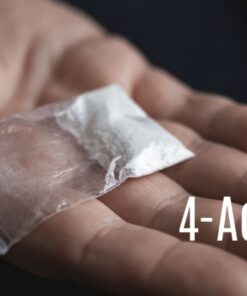

4 aco dmt 4-
4-acetoxy DMT (hydrochloride) (Item No. 14056) is an analytical reference standard categorized as a tryptamine.1,2 4-acetoxy DMT is a prodrug form of psilocin (Item Nos. 9003135 | 11864 | 36971), a psychedelic hallucinogen derived from various mushrooms. 4-acetoxy DMT induces the head-twitch response (HTR) in mice, indicating hallucinogenic potential.2 This product is intended for research and forensic applications.
WARNING This product is not for human or veterinary use.
Product Description References
1. Improvements to the synthesis of psilocybin and a facile method for preparing the O-
2. Investigation of the structure−activity relationships of psilocybin analogues. ACS Pharmacol. Transl. Sci. 4(2), 533-542 (2020).
What is 4-AcO-DMT?
4-Acetoxy-N, N-dimethyltryptamine (4-AcO-DMT) is a synthetic psychedelic compound structurally related to psilocybin, the active ingredient in magic mushrooms. 4-AcO-DMT contains a 4-acetoxy group attached to the nitrogen atom of the tryptamine backbone, differentiating it from psilocybin, which has a 4-phosphoryloxy group.[1]
Although there are some structural differences, both compounds share a similar indole ring structure that is typical of tryptamines. Their similar structural composition is a potential reason scientists believe they exert similar effects.
Often referred to as “synthetic psilocybin” or “psilacetin,” 4-AcO-DMT is a prodrug of psilocin. This means it converts into psilocin in the body as it is metabolized, and this is the same active metabolite into which psilocybin is converted when it is consumed.[2] This is why its effects are extremely similar to those of psilocybin-containing mushrooms.
4-AcO-DMT discovery and synthesis
4-AcO-DMT was first synthesized in the 1960s by Albert Hofmann and Franz Troxler while researching psychedelic tryptamines. Initially patented by Sandoz Pharmaceuticals, it never progressed to clinical development. However, it has gained popularity in psychedelic communities as a research chemical and alternative to naturally occurring psilocybin.[3]
Synthesizing 4-AcO-DMT in a laboratory setting typically involves acetylating psilocin, although scientists can also synthesize it from other tryptamine precursors. The process usually requires advanced knowledge of organic chemistry and access to specific reagents and equipment. The method can vary, but typically involves a series of chemical reactions introducing the acetoxy group into the tryptamine structure.
Effects and user experience
Users report that 4-AcO-DMT produces mind-altering effects similar to psilocybin, including heightened sensory perceptions, enhanced emotions, and cognitive shifts, such as profound introspection. Common experiences include:
- Visual distortions and hallucinations, ranging from enhanced colors to fractal images to geometric shapes.
- Enhanced creativity and introspection.
- Feelings of unity and connectedness.
- Euphoria or bliss.
- Heightened sense of touch (hyperesthesia).
- Changes in hearing and more emotional responses to music.
- Alterations in patterns of thinking, including nonlinear thinking, a sense of interconnectedness, or profound philosophical insights.
- Altered sense of time (may speed up, slow down, or become irrelevant).
Depending on dosage and individual metabolism, the effects can last between 4 and 8 hours.
Comparison with other psychedelics
While similar to psilocybin and DMT, 4-AcO-DMT has some unique characteristics:
- Psilocybin vs. 4-AcO-DMT: Both convert to psilocin in the body, but 4-AcO-DMT is believed to have a smoother onset of action and fewer gastrointestinal side effects.[4]
- DMT vs. 4-AcO-DMT: DMT is structurally similar to psilocybin and 4-AcO-DMT. It has a much shorter duration and is often smoked, leading to an intense but brief experience, whereas 4-AcO-DMT is active when taken orally and lasts much longer.[5]
Therapeutic potential
Research suggests that 4-AcO-DMT may hold significant therapeutic potential, particularly in treating mental health and substance use disorders.
Like psilocybin, 4-AcO-DMT is believed to promote neuroplasticity, meaning it can help rewire maladaptive thought patterns associated with depression, anxiety, and addiction.[6] Research suggests that its interaction with serotonin receptors, particularly 5-HT2A, plays a crucial role in modulating cognition, emotions, and behavior, which are often impaired in individuals with substance use disorders.[7]
Some evidence suggests that 4-AcO-DMT and similar psychedelics may have therapeutic uses—that they could potentially help people overcome addiction by easing withdrawal symptoms and breaking compulsive drug-seeking behaviors.[8] More research is needed to better understand and confirm potential benefits.
Psychedelic-assisted therapy with substances like 4-AcO-DMT has been associated with lasting improvements in emotional resilience and psychological flexibility—two factors critical in overcoming addiction. Studies also indicate the potential of 4-AcO-DMT to reduce symptoms of PTSD and major depressive disorder, conditions that frequently co-occur with addiction.
| Quantity | 1 Gram, 5 Grams, 10 Grams, 28 Grams |
|---|
Be the first to review “4 aco dmt”
Related products

Buy Dmt Vapes


Dmt Products

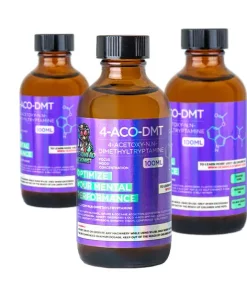
DMT MICRODOSE
Reviews
There are no reviews yet.